
A Homeowner's Guide to Siding Installation: Materials, Climate, and What to Expect
Siding installation is one of the most impactful exterior upgrades a homeowner can make, affecting both curb appeal and long-term weather protection. For homeowners in Warminster, PA, choosing the right material and understanding the process can make all the difference in how well a home holds up against the region's hot summers, cold winters, and heavy seasonal rain.
What Are the Most Common Siding Materials?
Several siding materials are available today, each suited to different budgets, home styles, and climate demands. Understanding the key differences helps homeowners make a more informed choice before committing to siding installation in Warminster, PA.
Vinyl Siding
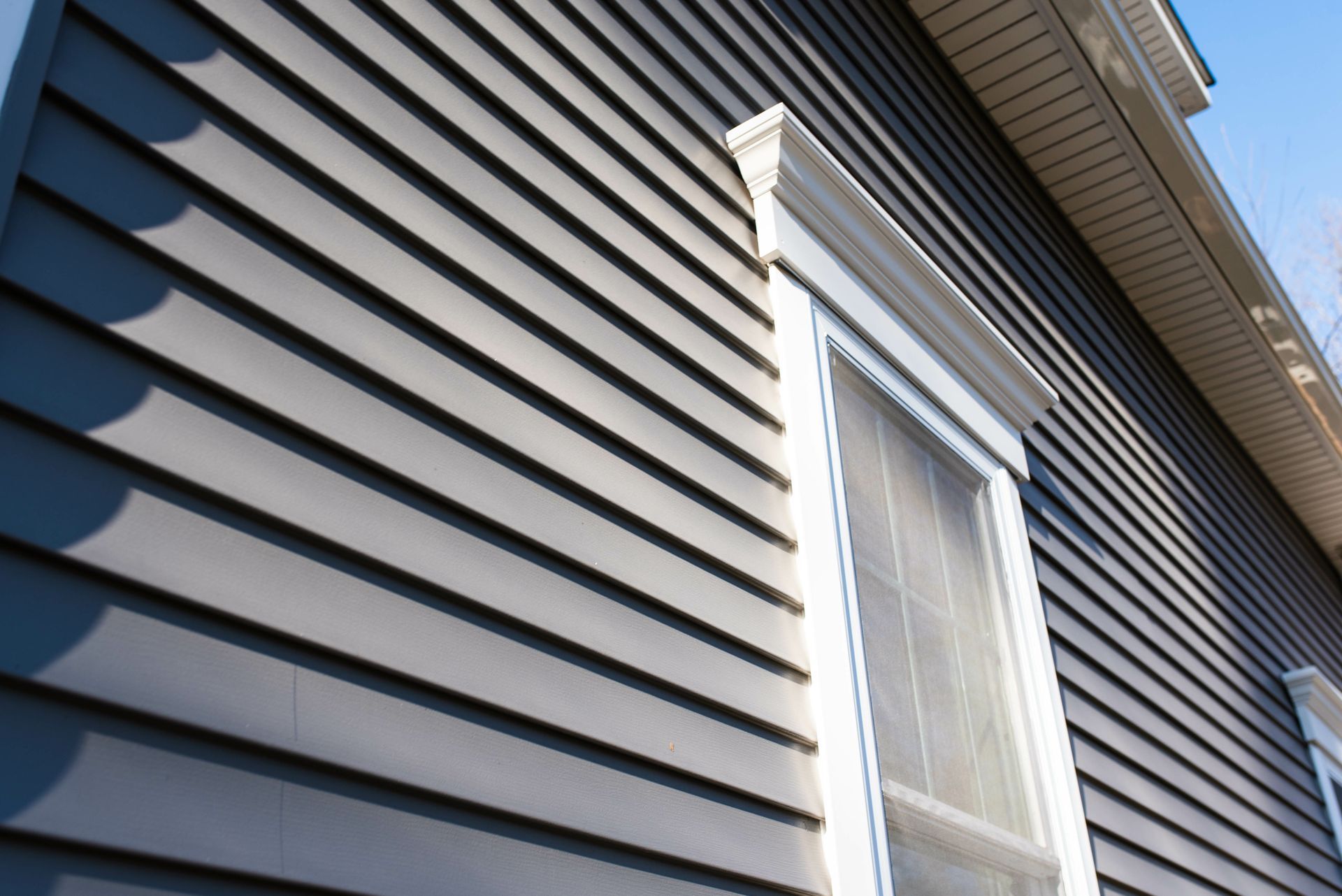
Vinyl is the most widely used siding option in the Northeast. It is lightweight, low-maintenance, and resistant to moisture, which makes it a practical choice for Pennsylvania's wet climate. Vinyl siding typically costs less than other options and comes in a wide range of colors and profiles. However, it can become brittle in extreme cold and may crack under heavy impact.
Fiber Cement Siding
Fiber cement, often associated with products like Hardie board, offers strong resistance to fire, rot, and insects. It can mimic the look of wood without the upkeep demands. Fiber cement is heavier than vinyl and may require more labor during installation, which can affect overall project cost. For homes with a more traditional architectural style, fiber cement can provide a convincing wood look with greater durability.
Wood Siding
Wood siding offers a natural, classic aesthetic that many homeowners prefer, particularly on older or historically styled homes. The trade-off is maintenance: wood requires regular painting or staining and is vulnerable to moisture, insects, and rot if not properly sealed. In Pennsylvania's climate, that upkeep schedule becomes especially important.
Aluminum Siding
Aluminum siding is durable and fire-resistant and does not rust. It can be a solid option for homes with modern or mid-century designs. The downside is that aluminum can dent more easily than other materials and may require repainting over time as the finish fades with sun exposure.
Composite Siding
Composite siding blends wood fibers and resins to create a product that often looks like natural wood but resists moisture and decay more effectively. It tends to fall in a mid-range price point and offers solid performance in variable climates like those seen in Bucks County.
How Do You Choose the Right Siding for Your Home?
Choosing siding depends on three main factors: local climate, home architecture, and long-term budget. The right siding material is one that fits your home's style, withstands local weather, and aligns with how much maintenance you can realistically commit to over time.
Consider the Local Climate
Warminster, PA, sees cold winters, humid summers, and freeze-thaw cycles that can stress certain siding materials more than others. Materials like fiber cement and vinyl tend to handle these conditions well because they resist moisture absorption and do not warp or rot the way untreated wood can.
Match the Material to Your Home's Architecture
Architectural style also plays a role. A colonial or craftsman-style home may benefit from the textured look of cedar impressions or fiber cement lap siding, while a more contemporary home might pair well with smooth panel profiles or aluminum. Matching the siding profile to the home's design can significantly improve overall appearance.
Think in Terms of Total Cost of Ownership
Budget matters, too. Vinyl siding installation typically comes in at a lower upfront cost, while fiber cement and composite options may offer better long-term value by reducing maintenance needs over the years. It helps to think in terms of total cost of ownership rather than just the initial installation price.
What Happens During a Siding Installation Project?
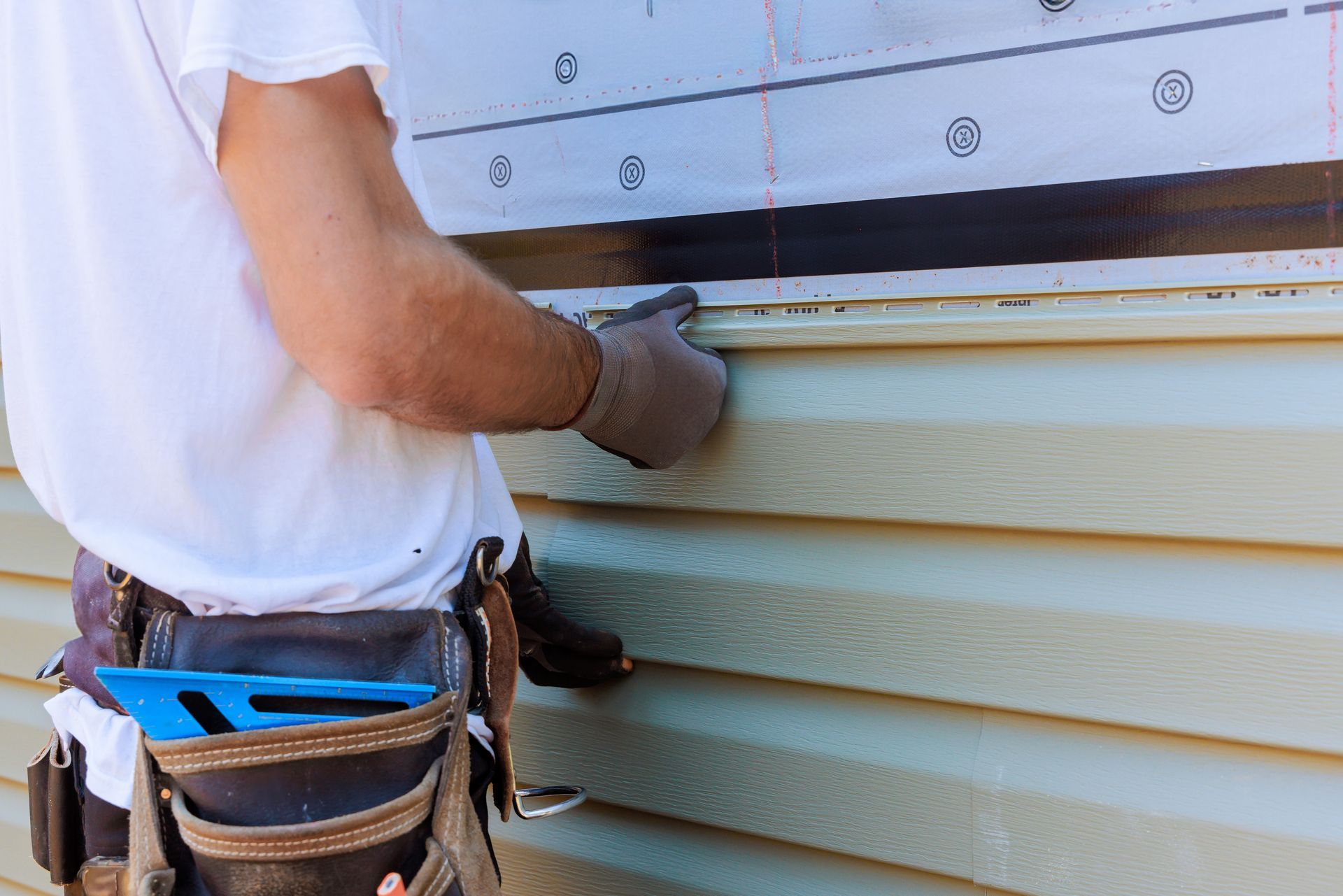
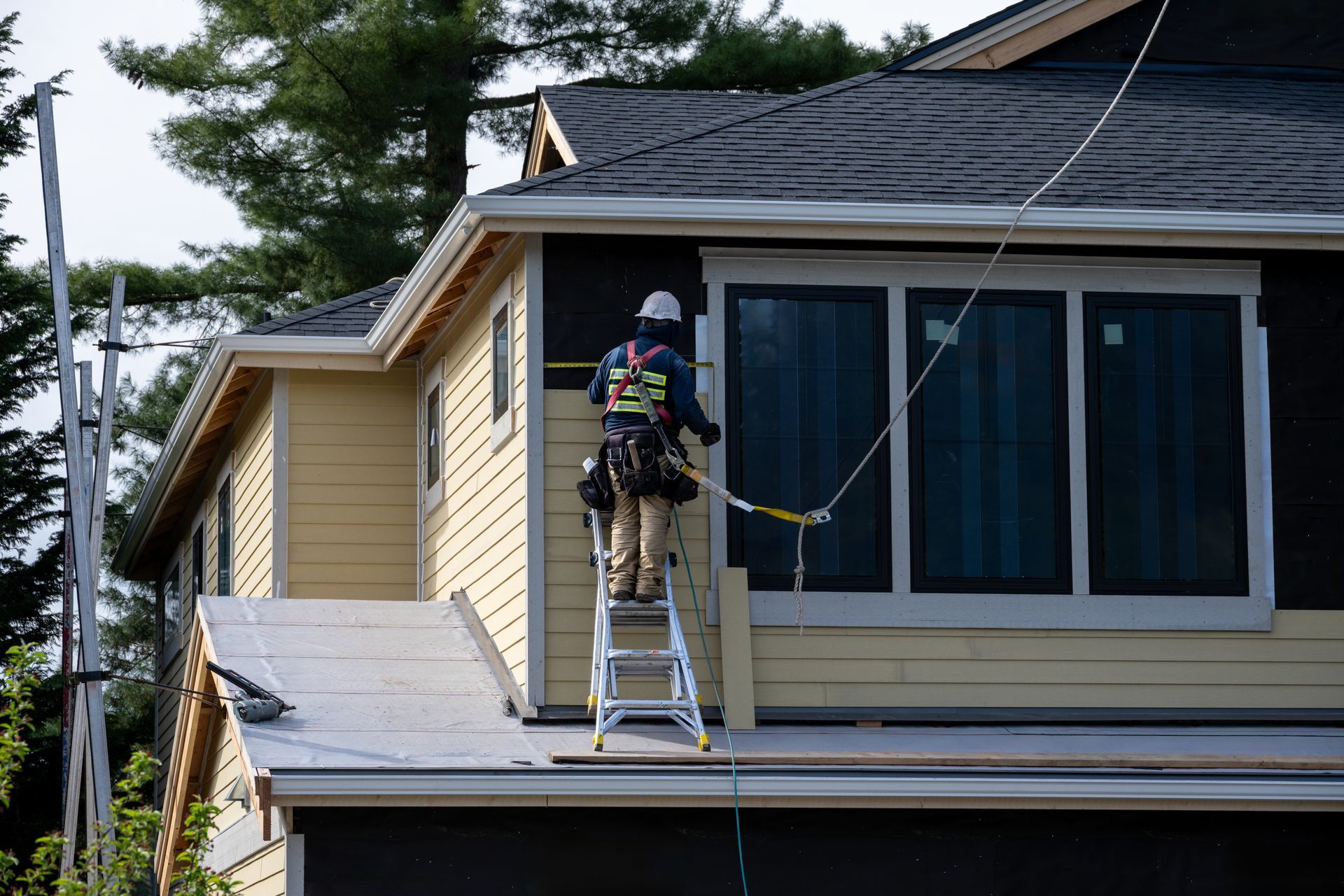
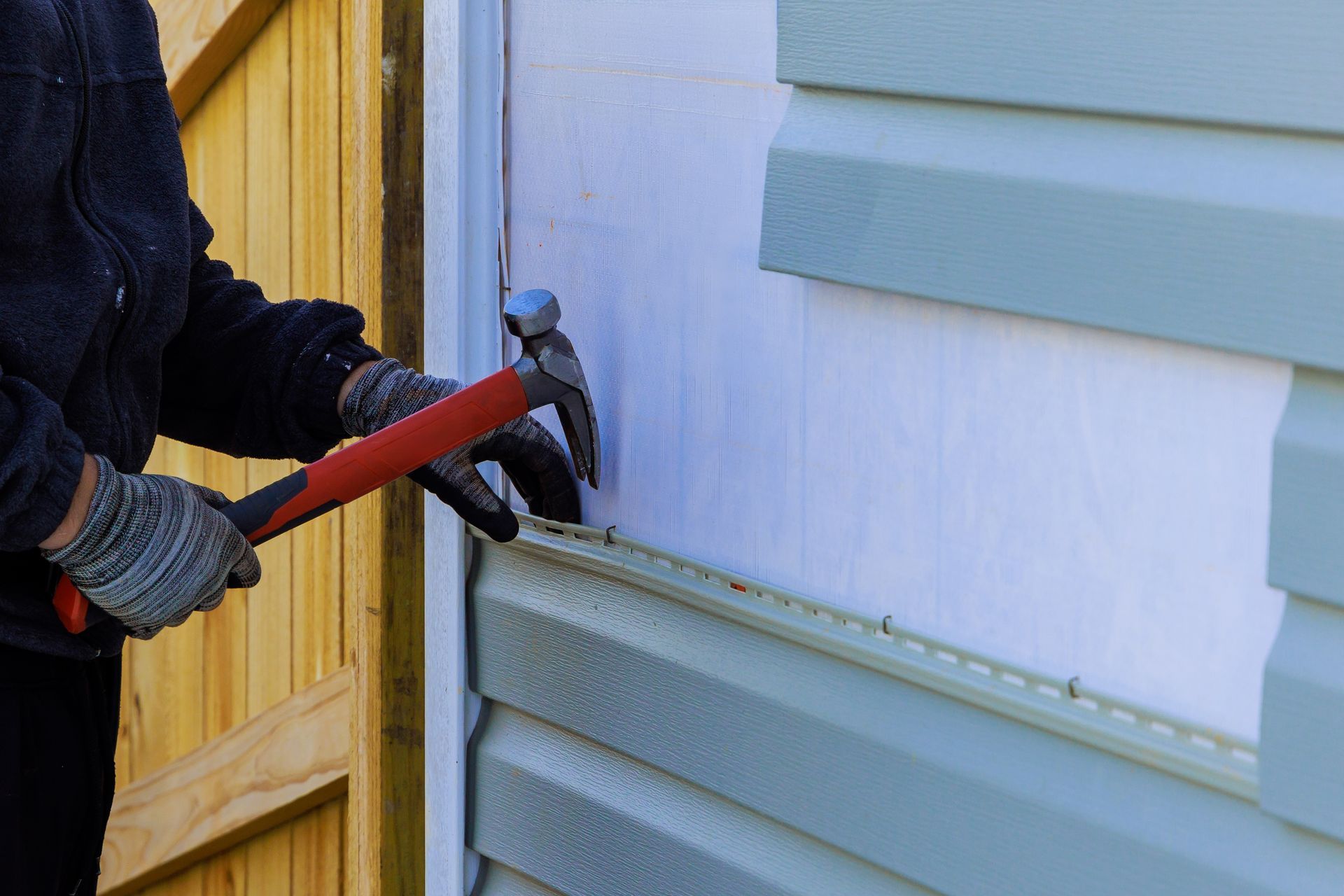
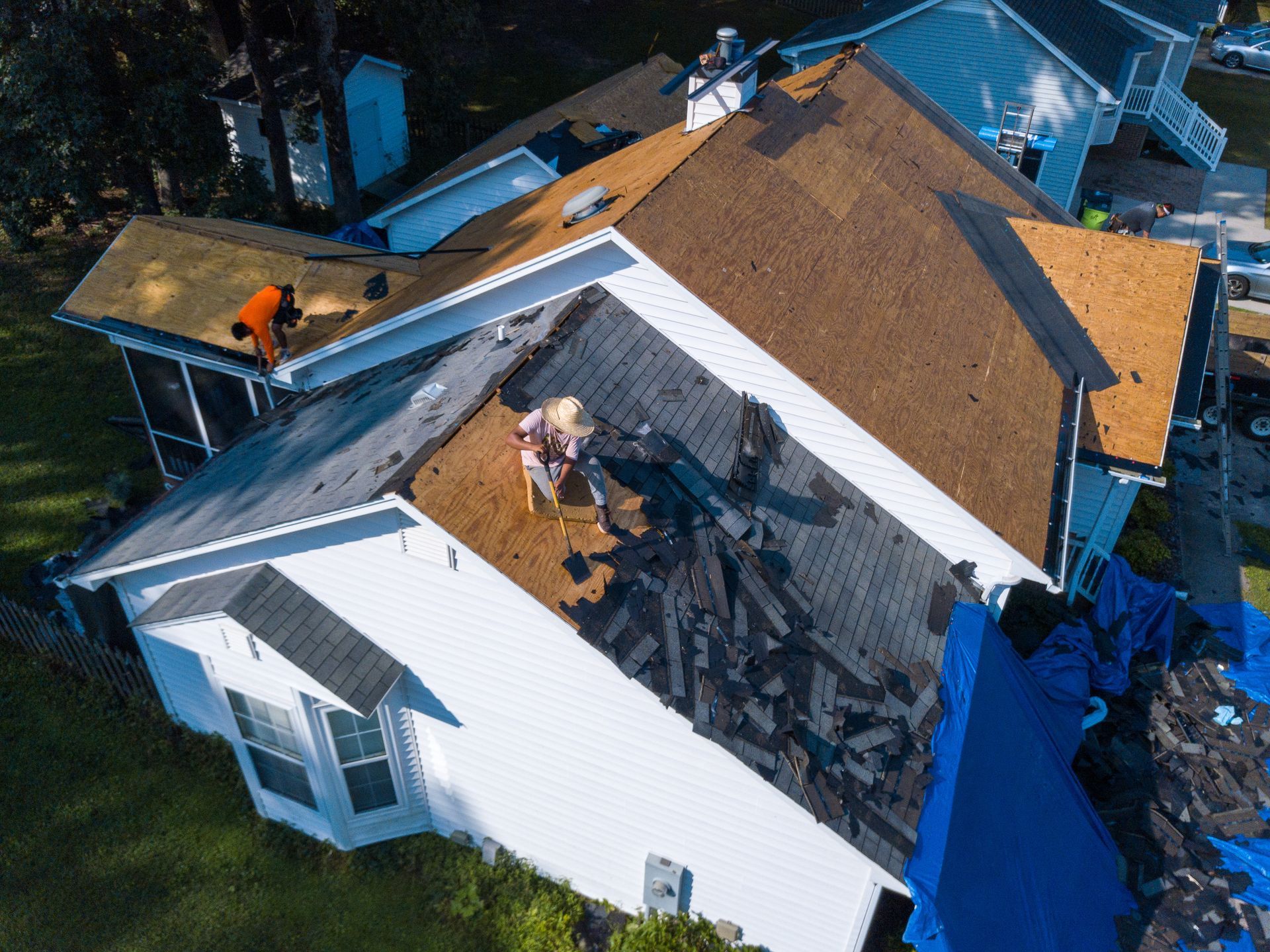
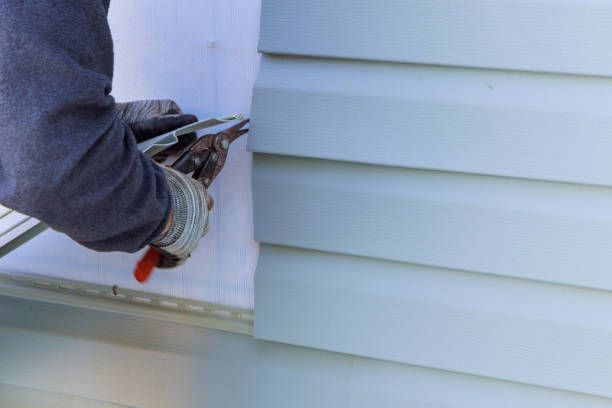
A professional installation involves several stages. First, the existing siding is removed, and the underlying sheathing is inspected for damage, rot, or moisture issues. Any structural concerns found at this stage are typically addressed before new material goes up. Next, a weather-resistant barrier is applied to protect against moisture intrusion. The new siding panels are then measured, cut, and fastened according to the manufacturer's specifications. Finally, trim, corners, and flashing details are completed to seal the home's exterior properly.
Ready to Explore Siding Installation Near Warminster, PA?
J. Gorski Construction proudly serves Warminster and surrounding Bucks County communities with professional installation. Whether you are considering vinyl, fiber cement, or another option, our team can help you evaluate what works best for your home's style and the local climate. To learn more about available siding options, visit our siding installation service page. When you are ready to take the next step, reach out through our contact page or call (267) 755-8383 to request a free estimate. You can also find and review J. Gorski Construction on Google.