
Stone Masonry, Chimney Pointing & Stone Veneer Services in Richboro, PA & Surrounding Areas
• Aluminum Chimney Flashing
• Chimney Cap Installation
• Copper Chimney Flashing
• Natural & Manufactured Stone Veneer
• Chimney Repointing & Rebuilding
• Concrete Sidewalks, Driveways, Patios
While masonry materials are solid and sturdy, over time they can be damaged by ground settling, rainwater, and freeze-thaw cycles. When mortar, brick, or stone is damaged, it's unsightly, unsafe, and it only gets more expensive the longer it's ignored. Schedule your quote now.
Trust Band
We Are Your Roofing and Siding Specialist!
Our Masonry Services
Three ways we keep your masonry sound
From a single cracked mortar joint to a full stone facade, here's where most of our masonry calls start.
Stone Masonry
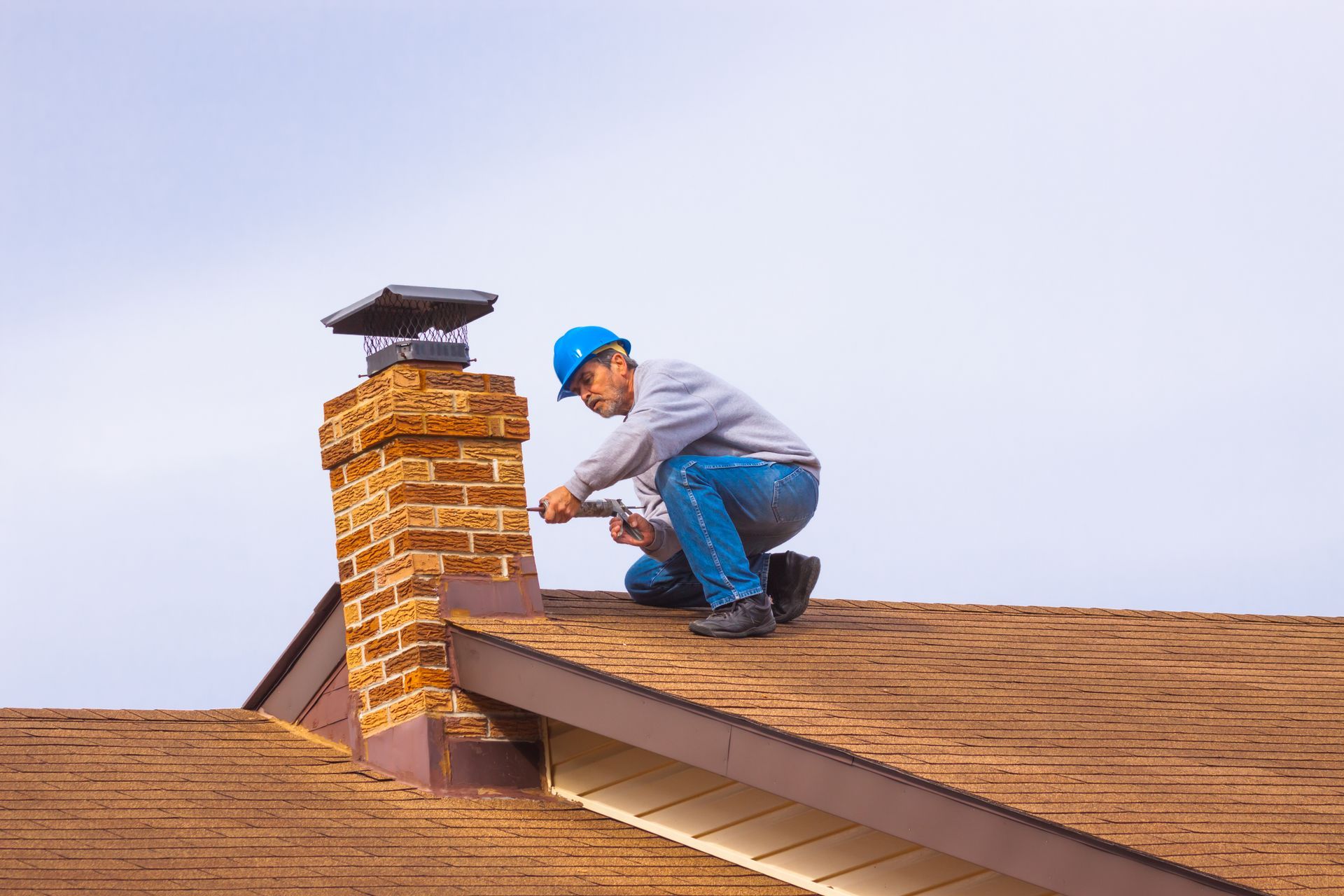
Deep Dive · Chimney Pointing
Repointing: the small repair that prevents the big one
Signs your chimney needs pointing
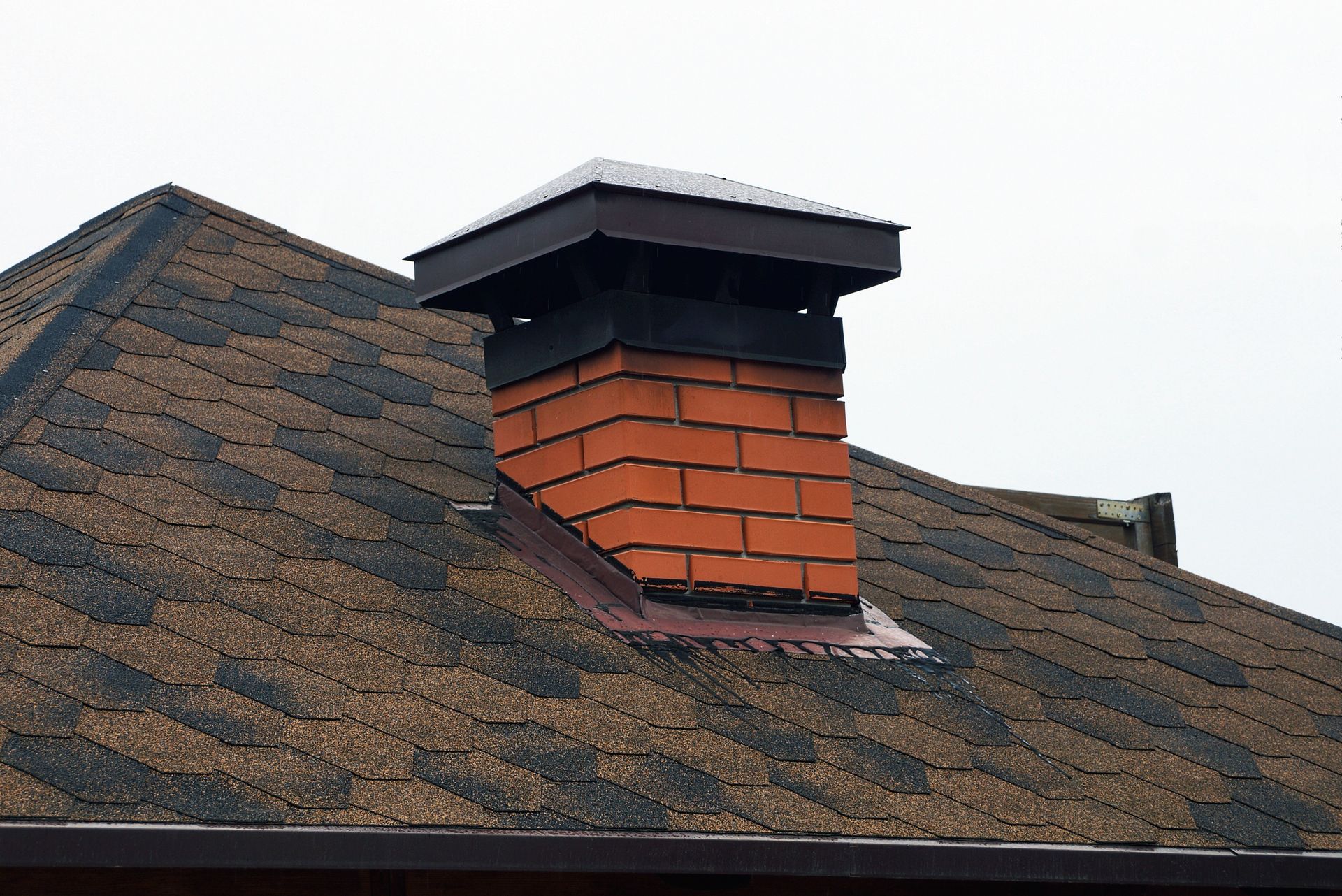
Chimney Flashing & Caps
Where most chimney leaks actually start
What we install & repair
Deep Dive · Stone Veneer
Stone veneer: the look of stone, without the load
Natural vs. manufactured veneer
Why homeowners call us
Straightforward work, from a crew that's local
How it works
From first call to finished joint
Common questions
Chimney & stone masonry FAQ
How often does a chimney need to be repointed?
It depends on the mortar, the masonry, and the weather it's exposed to, but most chimneys need some repointing every couple of decades, with older or south/west-facing sides typically going first. An annual visual check catches problems early, before a small mortar joint turns into a rebuild.
Can you repoint just part of a chimney, or does the whole thing need to be redone?
In most cases, we only repoint the joints that have actually failed. Full rebuilds are only necessary when the underlying masonry — not just the mortar — is structurally compromised.
What's the difference between natural and manufactured stone veneer?
Natural stone veneer is real stone, thin-cut to reduce weight; manufactured veneer is molded concrete cast from real stone textures. Natural stone tends to cost more and last longer with more color variation; manufactured veneer is lighter, more consistent, and usually less expensive.
Will stone veneer work on my existing wall?
Most exterior and interior walls can support veneer with the right prep — typically a moisture barrier and either a scratch coat or approved backer board. We evaluate the wall during your free inspection.
Do you handle the flashing too, or just the masonry?
Both. Chimney flashing is part of the masonry system for us — we install and repair aluminum and copper flashing alongside pointing and cap work.